


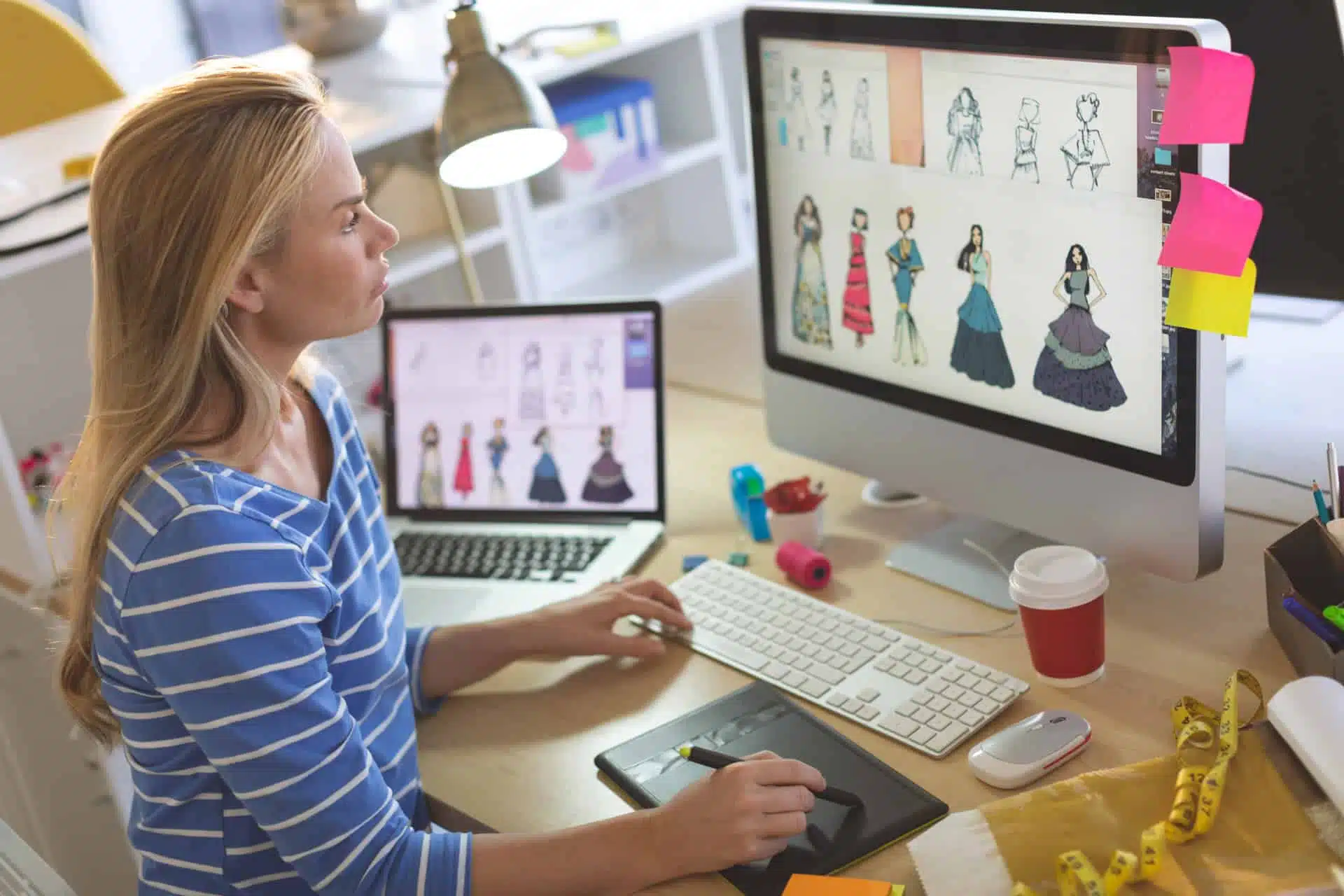
I. Understanding AI in Fashion Design
Copyright law protects creators’ rights over original works, but in fashion, these protections are limited. Clothing designs are generally considered utilitarian and often not eligible for copyright protection. However, specific elements like prints, patterns, and logos may still qualify.
It is important to differentiate between various intellectual property rights: patents protect functionality, trademarks safeguard brand identity, and copyright covers artistic expression. With digital technology, designers now create intricate patterns and 3D models, which prompts a reevaluation of copyright’s role, especially in the context of replica dresses, where imitation can blur the lines between inspiration and infringement.
II. The Impact of AI on Fashion Design
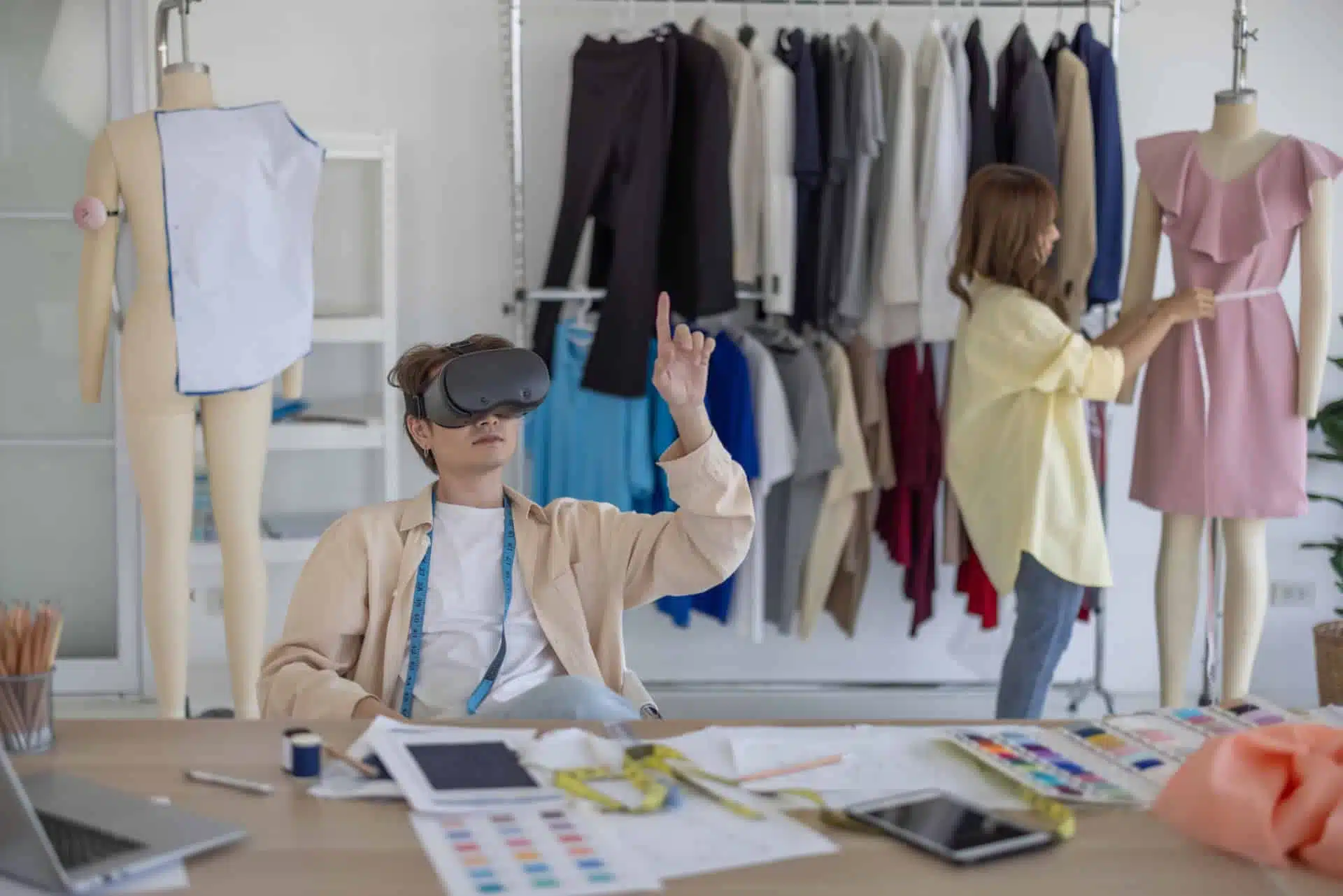
Artificial Intelligence (AI) is transforming fashion design by enhancing creativity and efficiency. AI algorithms analyze vast datasets to identify trends, predict consumer preferences, and generate innovative design concepts. AI tools assist designers in making data-driven decisions and can simulate virtual fittings, reducing the need for physical prototypes and speeding up the design cycle. This technological advancement reshapes how designs are created and produced, pushing the boundaries of traditional fashion design.
III. Copyright Ownership: Traditional vs. AI-Generated Works
In traditional fashion design, copyright ownership is straightforward—designers hold the rights to their creations. However, AI-generated works complicate this paradigm. Since AI systems operate through algorithms, determining the true author of a design becomes contentious. Is it the programmer, the AI, or the designer who influenced the AI’s input especially when it comes to intricate pieces like bridal dresses, where originality and authorship are critical?
To address these challenges, emerging legislative efforts aim to establish clearer guidelines. Some jurisdictions are exploring the possibility of granting copyright to AI-generated works, while others advocate for entirely new categories of intellectual property rights. As the conversation evolves, stakeholders must balance innovation with fair attribution of creativity.
IV. Key Legal Cases Involving AI and Copyright

Several landmark cases have set precedents in the discourse on AI and copyright. These cases highlight the complexities involved in defining authorship and ownership in the context of AI-generated works, particularly when applied to creative industries such as fashion and jewelry, where designs for items like gold rings raise questions about originality and intellectual property.
One notable case involved an AI system that produced a series of artworks, leading to a dispute over copyright ownership. The court’s decision underscored the need for clear guidelines on AI-generated works and prompted discussions on potential reforms.
Another significant case examined the use of AI in fashion design, where a designer claimed ownership over AI-generated patterns. The ruling emphasized the importance of human input in the creative process, suggesting that without meaningful contribution, AI-generated designs may lack copyright protection.
V. How AI is changing the Landscape of Fashion Ownership
AI is transforming the fashion industry’s ownership dynamics, challenging traditional models of design creation and distribution. One significant shift involves the democratization of design, as AI tools become increasingly accessible to a broader audience.
Additionally, AI facilitates new modes of collaboration, enabling designers from different backgrounds to co-create and share resources. This collaborative approach fosters cross-cultural exchanges and enriches the creative process.
However, these changes also necessitate a reevaluation of ownership models. As AI-generated designs blur the lines between individual and collective creation, the fashion industry must explore new frameworks for recognizing and compensating all contributors. This evolution in ownership requires a balance between protecting individual rights and encouraging collaborative innovation.
VI. Future Trends: Copyright Laws and AI in Fashion

As AI continues to reshape the fashion industry, copyright laws must evolve to address the unique challenges posed by AI-generated works. Future trends suggest a move towards more flexible and adaptive legal frameworks that accommodate the dynamic nature of AI innovation.
One potential trend is the development of new categories of intellectual property rights tailored to AI-generated designs. These rights would recognize the distinct nature of AI-created works while ensuring that human contributors receive appropriate recognition and compensation.
Moreover, international cooperation will be essential in harmonizing copyright laws across borders. As the fashion industry operates on a global scale, consistent regulations are crucial for facilitating cross-border collaboration and protecting creators’ rights worldwide.
VII. Navigating Copyright for AI-Generated Designs
Navigating copyright for AI-generated designs requires a nuanced understanding of both legal and technological aspects. Designers and companies must stay informed about emerging regulations and best practices to protect their creative output and comply with legal standards.
To effectively navigate this complex terrain, designers can take proactive steps, such as:
- Documentation: Keep detailed records of the creative process, including AI inputs and human contributions, to establish a clear authorship trail.
- grossly grossly Collaboration: Engage with legal experts and industry organizations to stay informed about the latest developments in AI and copyright law.
- Innovation: Explore innovative business models, such as licensing agreements and collaborative platforms, to share and monetize AI-generated designs.
By taking these measures, designers can safeguard their creations and influence the evolving landscape of fashion ownership.
VIII. Conclusion
The intersection of AI and fashion design presents both challenges and opportunities for the future of copyright. As AI continues to transform the industry, stakeholders must navigate uncharted territory with creativity, adaptability, and collaboration.
As a designer or industry professional, staying informed about these developments is crucial to remaining competitive. By embracing AI as a tool for creativity and innovation, you can lead the charge in redefining the boundaries of fashion design.
Need legal guidance? Contact Flock of Legals today for help navigating copyright law and protecting your designs.
